Weather-Resistant Solutions: How Concrete Withstands the Elements in Landscaping Jun 11, 2026
Concrete is a composite material composed mainly of cement, water, and aggregates like sand and gravel. Its inherent strength and stability make it a prime choice for structures that need to withstand nature's whims. But what makes concrete particularly weather-resistant?
Firstly, concrete's durability plays a significant role. Once cured, concrete forms a hard, stone-like material that can resist erosion, freezing, thawing, and even high winds. This means that patios, driveways, and retaining walls constructed with concrete can endure years of weather changes without showing significant wear and tear.
Moreover, one of the standout features of concrete in landscaping is its ability to expand and contract with temperature changes. When properly mixed and installed, concrete surfaces are less likely to crack in areas that experience extreme temperature variations. Including control joints during installation allows concrete slabs to flex without breaking, thus, maintaining their structural integrity over time.
Another advantage of concrete is its low maintenance requirements. Once installed, concrete does not demand much upkeep, saving homeowners both time and money. Sealing concrete can further enhance its weather resistance by preventing water penetration, which could lead to freeze-thaw damage in colder climates.
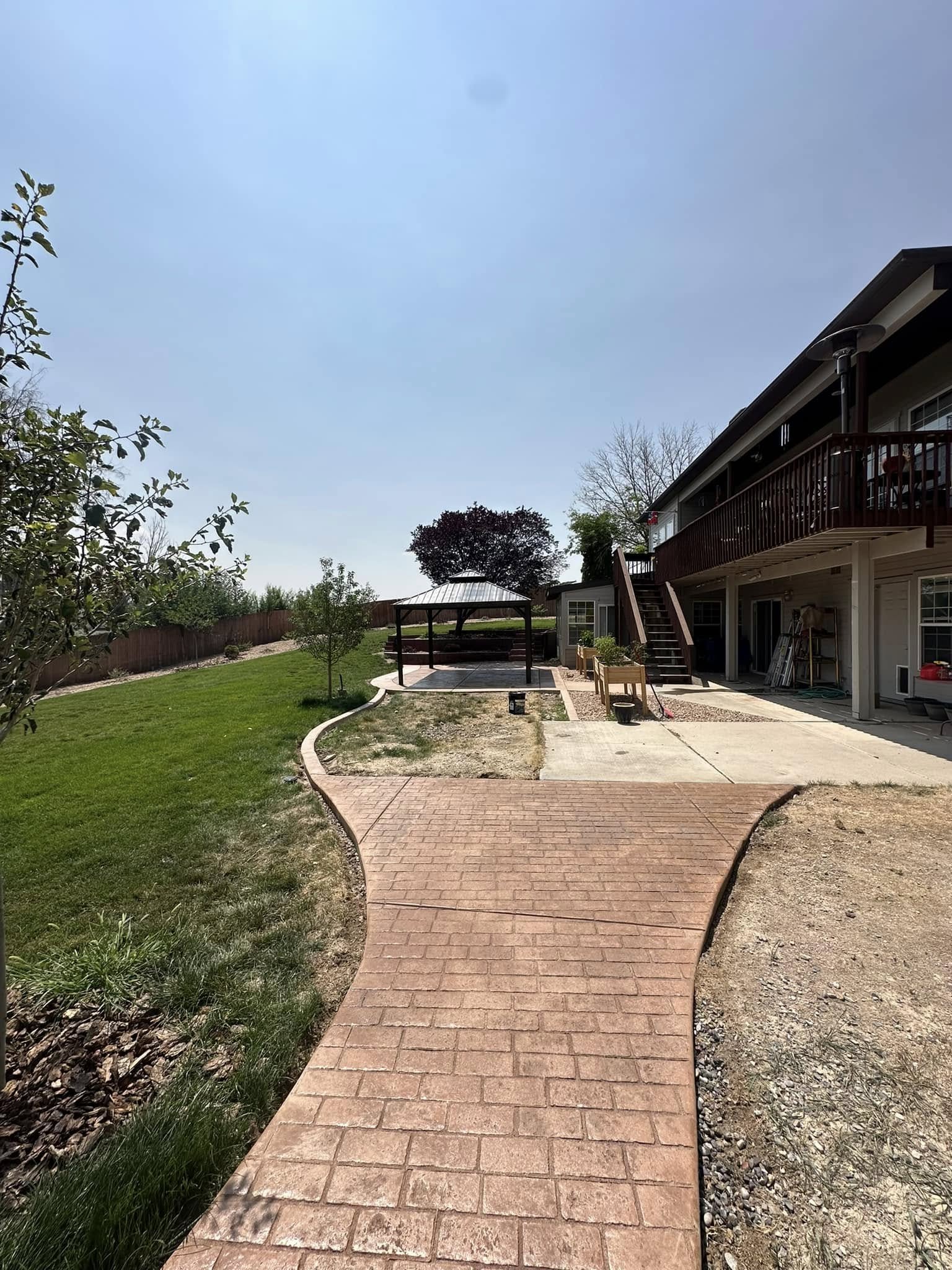
For those concerned with aesthetics, concrete offers a range of possibilities. It can be stained, stamped, or colored to mimic the look of more expensive materials like stone or brick. This versatility means that concrete can complement any landscape design while still offering the durability needed to withstand the elemental forces.
Concrete is also environmentally friendly. Because it absorbs and retains heat, it helps to moderate temperature changes in surrounding environments, promoting energy efficiency when used thoughtfully around homes. Additionally, its long lifespan reduces the need for frequent replacements, minimizing resource consumption over time.
Water management is another area where concrete shines in landscaping. By creating well-designed slopes and drainage channels, concrete installations can efficiently direct water flow, preventing erosion and helping to preserve the structural health of your landscaping. Permeable concrete options can also be used to allow water to pass through, reducing runoff and promoting groundwater recharge.
It's important to choose a trusted partner like GB Concrete & Landscapes for your concrete needs to ensure proper installation and maximize the material's benefits. Our expertise in creating robust concrete structures tailored to withstand local climates ensures your outdoor spaces remain both functional and attractive for years to come.
In conclusion, concrete offers a myriad of benefits as a weather-resistant solution in landscaping projects. Its durability, low maintenance, aesthetic versatility, and environmental friendliness make it an ideal choice for anyone looking to enhance their outdoor living spaces. By understanding how concrete interacts with the elements and taking advantage of its unique properties, you can create landscapes that not only survive but thrive in any weather condition. Trust GB Concrete & Landscapes to guide you on this journey, and enjoy a landscape that stands the test of time.
/filters:no_upscale()/filters:format(webp)/media/20885fad-938c-4a56-9920-e8b20f877d06.jpeg)