Understanding the Role of Concrete in Resilient Landscape Design Jun 09, 2026
Concrete is renowned for its strength, versatility, and low maintenance, making it an ideal choice for sustainable landscape design. Its application is not just limited to driveways and pathways; modern design innovations have expanded its use to patios, retaining walls, and decorative elements. Concrete's ability to withstand harsh weather conditions, resist fire, and endure the test of time enhances the longevity and appeal of outdoor spaces.
One of the primary reasons concrete is integral to resilient landscape design is its durability. In areas prone to extreme weather, having a landscape that can endure the elements is essential. Concrete's robust nature means it can withstand high winds, heavy rainfall, and even flooding, providing a sturdy foundation for paths and retaining structures. Unlike other materials, it does not rot or degrade easily, ensuring the landscape remains intact and beautiful for years.
Another advantage of using concrete is its low maintenance requirement. Once installed, concrete surfaces require minimal upkeep compared to alternatives like wood or asphalt. Regular cleaning and occasional sealing keep them looking fresh and prevent damage. This ease of maintenance means homeowners can enjoy their landscapes with minimal effort, freeing up time for other activities or projects.
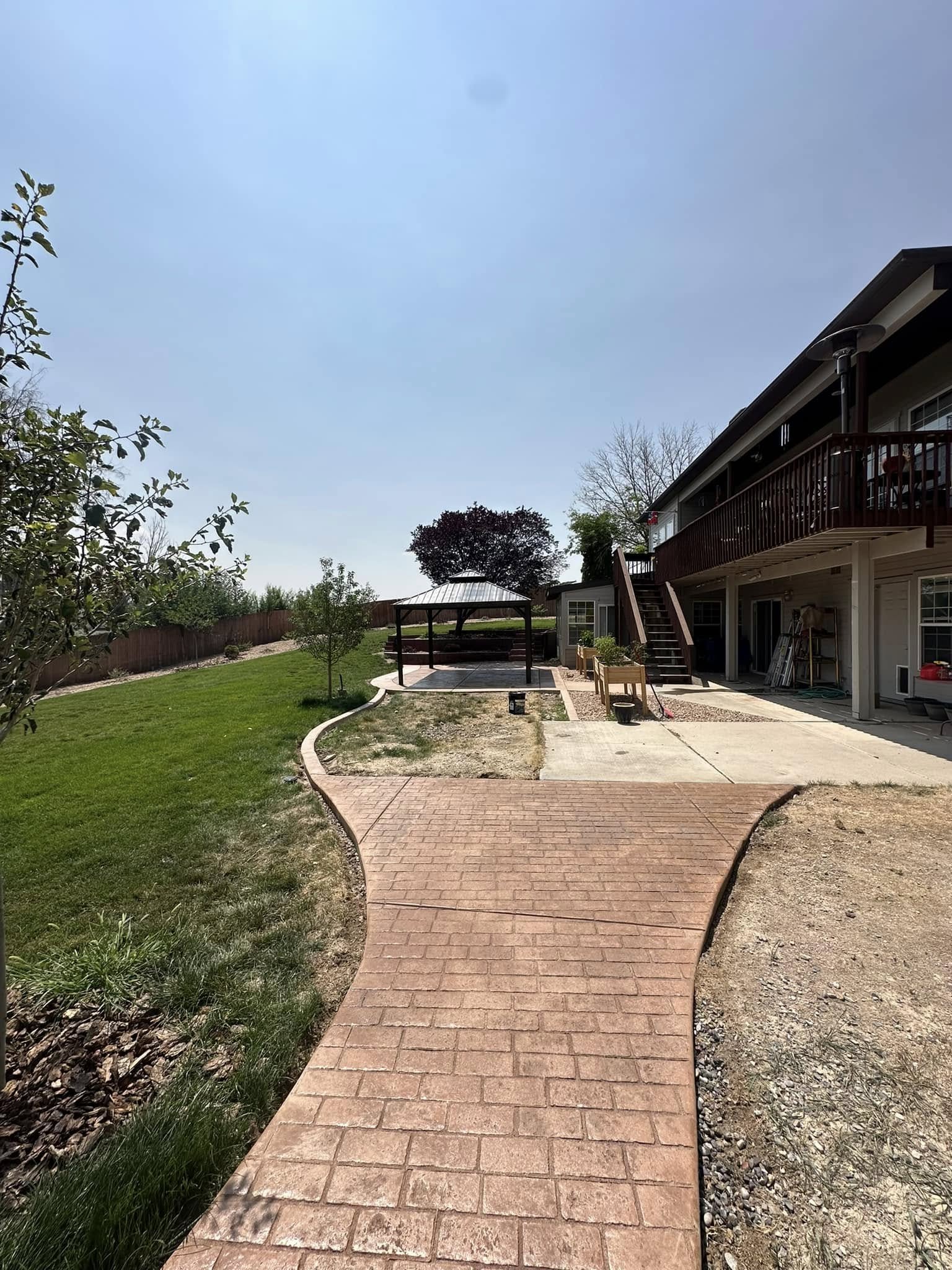
Concrete's adaptability and aesthetic potential further benefit resilient landscape design. The material can be molded and finished in various textures and colors, allowing for creative landscaping solutions that align with the overall design vision. Whether it's a sleek modern patio or a rustic garden path, concrete can seamlessly match the aesthetics while providing the necessary strength and resilience.
Furthermore, in terms of sustainability, concrete is an eco-friendly choice when used wisely. It has a long lifespan, reducing the need for frequent replacements and conserving resources. Additionally, integrating permeable concrete solutions can enhance water management in the landscape. These solutions allow water to seep through the surface, reducing runoff and helping to replenish groundwater supplies. This aspect of concrete makes it particularly beneficial in urban environments where managing stormwater is crucial.
At GB Concrete & Landscapes, we are committed to helping our clients choose materials that balance beauty with functionality and sustainability. By incorporating concrete into your landscape design, you not only enhance the durability and resilience of the space but also benefit from its aesthetic and environmental advantages.
In conclusion, concrete's role in resilient landscape design is multifaceted. Its durability, low maintenance, aesthetic versatility, and environmental benefits make it a formidable material for any outdoor space. Whether you're aiming to design a peaceful garden retreat, a functional outdoor living area, or a sturdy walkway, concrete can meet the challenge. As climate patterns evolve, choosing materials that offer strength and sustainability will ensure that your landscape stands the test of time. With the expertise of GB Concrete & Landscapes, creating a resilient and beautiful outdoor space is well within reach.
/filters:no_upscale()/filters:format(webp)/media/20885fad-938c-4a56-9920-e8b20f877d06.jpeg)